Collina Luxury Relais

Where Alpine Serenity Meets Contemporary Italian Design

Shereen Shabnam

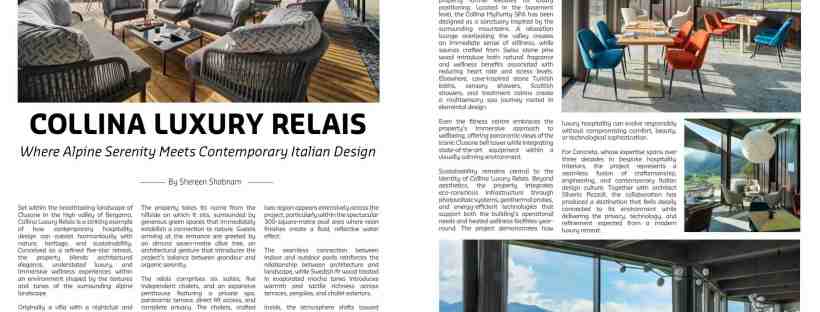
Set within the breathtaking landscape of Clusone in the high valley of Bergamo, Collina Luxury Relais is a striking example of how contemporary hospitality design can coexist harmoniously with nature, heritage, and sustainability. Conceived as a refined five-star retreat, the property blends architectural elegance, understated luxury, and immersive wellness experiences within an environment shaped by the textures and tones of the surrounding alpine landscape.

Originally a villa with a nightclub and outdoor swimming pool, the site has been completely reimagined through a low-impact redevelopment project led by architect Silverio Pezzoli of TecnoArreda Interior Design, with Concreta overseeing the execution of the interiors and common spaces. The result is not merely a hotel, but a carefully orchestrated sensory experience where materials, light, and craftsmanship work together to create a sense of calm sophistication.

The property takes its name from the hillside on which it sits, surrounded by generous green spaces that immediately establish a connection to nature. Guests arriving at the entrance are greeted by an almost seven-metre olive tree, an architectural gesture that introduces the project’s balance between grandeur and organic serenity.

The relais comprises six suites, five independent chalets, and an expansive penthouse featuring a private spa, panoramic terrace, direct lift access, and complete privacy. The chalets, crafted entirely from wood with corrugated aluminium roofs, mirror the earthy tones of the alpine environment while maintaining a contemporary architectural language.

What defines the interiors most profoundly is the material palette. Throughout the property, Concreta has created a dialogue between natural textures and precision craftsmanship. Locally sourced Gré stone from the Lake Iseo region appears extensively across the project, particularly within the spectacular 300-square-metre pool area where resin finishes create a fluid, reflective water effect. The seamless connection between indoor and outdoor pools reinforces the relationship between architecture and landscape, while Swedish fir wood treated in evaporated mocha tones introduces warmth and tactile richness across terraces, pergolas, and chalet exteriors.

Inside, the atmosphere shifts toward refined contemporary elegance. The Beides Restaurant forms the social heart of the property, where grey-stained timber, metal, and glass intersect in a dramatic yet restrained composition. Large glazed surfaces flood the interiors with natural light, while Canaletto walnut, moka-stained fir, aged oak flooring, and Fenix finishes introduce depth and softness to the space. The continuity between interior and exterior materials is particularly striking, with gré cobblestone surfaces extending the visual narrative throughout the property.

The private lounge, featuring a Canaletto walnut floor and visible wine cellar, reflects the project’s broader philosophy of understated exclusivity. Rather than relying on decorative excess, the design focuses on proportion, atmosphere, and the emotional quality of materials.

The wellness component of the property further elevates its luxury positioning. Located in the basement level, the Collina MyPurity SPA has been designed as a sanctuary inspired by the surrounding mountains. A relaxation lounge overlooking the valley creates an immediate sense of stillness, while saunas crafted from Swiss stone pine wood introduce both natural fragrance and wellness benefits associated with reducing heart rate and stress levels. Elsewhere, cave-inspired stone Turkish baths, sensory showers, Scottish showers, and treatment cabins create a multisensory spa journey rooted in elemental design.

Even the fitness centre embraces the property’s immersive approach to wellbeing, offering panoramic views of the iconic Clusone bell tower while integrating state-of-the-art equipment within a visually calming environment.

Sustainability remains central to the identity of Collina Luxury Relais. Beyond aesthetics, the property integrates eco-conscious infrastructure through photovoltaic systems, geothermal probes, and energy-efficient technologies that support both the building’s operational needs and heated wellness facilities year-round. The project demonstrates how luxury hospitality can evolve responsibly without compromising comfort, beauty, or technological sophistication.

For Concreta, whose expertise spans over three decades in bespoke hospitality interiors, the project represents a seamless fusion of craftsmanship, engineering, and contemporary Italian design culture. Together with architect Silverio Pezzoli, the collaboration has produced a destination that feels deeply connected to its environment while delivering the privacy, technology, and refinement expected from a modern luxury retreat.

Shaping the Future of Climate-Responsive Living

The Future of Desert Living to Take Centre Stage at the 2nd Desert Architecture MENA Forum

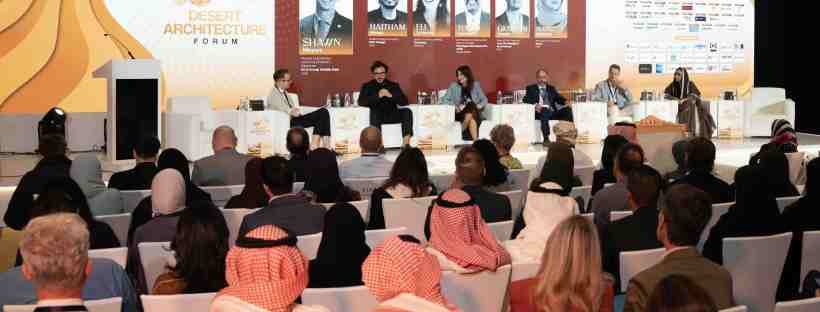
Dubai, UAE: Positioning desert architecture at the forefront of climate responsive design, the 2nd Desert Architecture MENA Forum returns on 30–31 March 2026 at the Habtoor Grand Resort, following the success of its inaugural edition last year. Under the theme “Integrating Heritage with Innovation: The Future of Desert Living”, the Forum will bring together global architects, policymakers, developers, sustainability leaders, and technology innovators.

As the region’s only platform dedicated to desert architecture, the Forum addresses one of the most pressing challenges facing the Middle East and arid regions worldwide: how to design cities, buildings, and communities that are resilient, climate-smart, and culturally rooted in desert environments.

The 2026 edition will expand its scope with deeper technical discussions, real-world case studies, and actionable strategies focused on climate-resilient urbanism, low-carbon materials, passive cooling systems, regenerative landscapes, and self-sufficient infrastructure. More than an event, the Forum serves as a marketplace of ideas and partnerships, providing direct access to project owners, regulators, architects, consultants, contractors, and technology providers shaping the next generation of desert cities.

Mark Powell Kyffin, Director of Architecture, Project Management and Engineering, with the Department of Culture and Tourism in Abu Dhabi highlighted the importance of such platforms in shaping future cities, stating: “Desert architecture is not a constraint. It is an opportunity. Rooted in heritage, culture, and innovation, the region is uniquely positioned to lead the world in climate-responsive design. Forums such as this are essential in fostering dialogue, knowledge exchange, and collaboration that translate vision into meaningful, lasting impact.”

Commenting on the Forum’s return, Leila Masinaei, Managing Partner at Great Minds Events, said: “The Desert Architecture MENA Forum was created to move beyond theory and deliver practical, scalable solutions for building in desert climates. The second edition reflects the urgency of the moment, where climate realities demand collaboration, innovation, and a renewed respect for traditional desert wisdom combined with cutting-edge design and technology.”

The Forum aligns closely with the UAE’s broader sustainability, urban development, and cultural preservation agendas. It also reinforces the region’s growing role as a global leader in climate-responsive architecture.

Across two days, the Forum will host 35+ international speakers from leading global and regional firms including Foster + Partners, BIG – Bjarke Ingels Group, Snohetta, Killa Design, Arup, AECOM, SOM, HKS, and DLR Group, alongside senior representatives from government authorities, municipalities, and academic institutions.

Key objectives of the Forum include strengthening cross-sector collaboration, showcasing smart materials and emerging technologies, blending traditional desert knowledge with contemporary design solutions, and positioning the MENA region as a global hub for climate-responsive architecture.

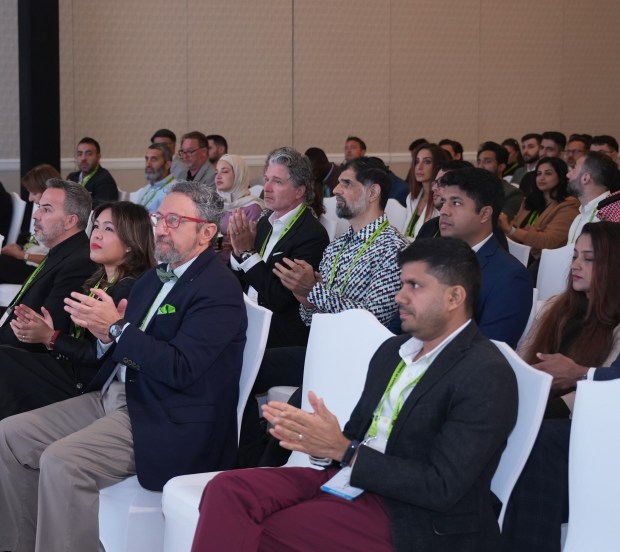
The event will welcome 300+ delegates from across the region and beyond, including government authorities, project owners, developers, architectural firms, consultancies, EPCs, and senior decision-makers spanning architecture, design, sustainability, engineering, R&D, and construction.

As part of the Forum, the Desert Architecture Recognition Awards 2026 will take place on 31 March, celebrating visionaries redefining excellence in arid-climate design. The Awards will recognise achievements across sustainable materials, façade innovation, regenerative landscapes, digital design, architectural lighting, and emerging talent, concluding with an exclusive reception dinner and networking evening.

With over 20 sessions, and case studies, and participation from over 15 countries, the 2nd Desert Architecture MENA Forum promises to be a defining platform for advancing sustainable, culturally grounded, and future-ready design across desert regions.

For more information, visit https://desertarchitectureforum.com/