Collina Luxury Relais

Where Alpine Serenity Meets Contemporary Italian Design

Shereen Shabnam

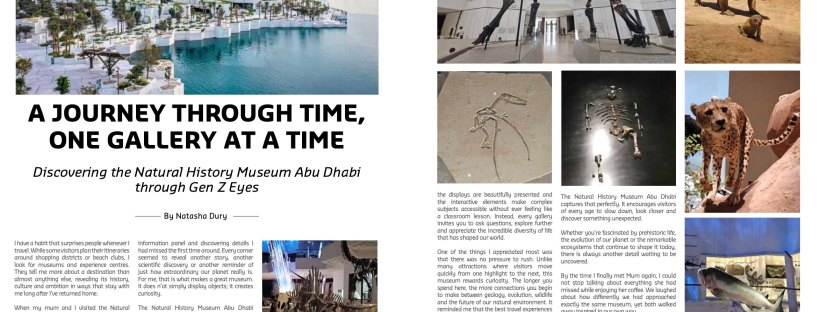
Set within the breathtaking landscape of Clusone in the high valley of Bergamo, Collina Luxury Relais is a striking example of how contemporary hospitality design can coexist harmoniously with nature, heritage, and sustainability. Conceived as a refined five-star retreat, the property blends architectural elegance, understated luxury, and immersive wellness experiences within an environment shaped by the textures and tones of the surrounding alpine landscape.

Originally a villa with a nightclub and outdoor swimming pool, the site has been completely reimagined through a low-impact redevelopment project led by architect Silverio Pezzoli of TecnoArreda Interior Design, with Concreta overseeing the execution of the interiors and common spaces. The result is not merely a hotel, but a carefully orchestrated sensory experience where materials, light, and craftsmanship work together to create a sense of calm sophistication.

The property takes its name from the hillside on which it sits, surrounded by generous green spaces that immediately establish a connection to nature. Guests arriving at the entrance are greeted by an almost seven-metre olive tree, an architectural gesture that introduces the project’s balance between grandeur and organic serenity.

The relais comprises six suites, five independent chalets, and an expansive penthouse featuring a private spa, panoramic terrace, direct lift access, and complete privacy. The chalets, crafted entirely from wood with corrugated aluminium roofs, mirror the earthy tones of the alpine environment while maintaining a contemporary architectural language.

What defines the interiors most profoundly is the material palette. Throughout the property, Concreta has created a dialogue between natural textures and precision craftsmanship. Locally sourced Gré stone from the Lake Iseo region appears extensively across the project, particularly within the spectacular 300-square-metre pool area where resin finishes create a fluid, reflective water effect. The seamless connection between indoor and outdoor pools reinforces the relationship between architecture and landscape, while Swedish fir wood treated in evaporated mocha tones introduces warmth and tactile richness across terraces, pergolas, and chalet exteriors.

Inside, the atmosphere shifts toward refined contemporary elegance. The Beides Restaurant forms the social heart of the property, where grey-stained timber, metal, and glass intersect in a dramatic yet restrained composition. Large glazed surfaces flood the interiors with natural light, while Canaletto walnut, moka-stained fir, aged oak flooring, and Fenix finishes introduce depth and softness to the space. The continuity between interior and exterior materials is particularly striking, with gré cobblestone surfaces extending the visual narrative throughout the property.

The private lounge, featuring a Canaletto walnut floor and visible wine cellar, reflects the project’s broader philosophy of understated exclusivity. Rather than relying on decorative excess, the design focuses on proportion, atmosphere, and the emotional quality of materials.

The wellness component of the property further elevates its luxury positioning. Located in the basement level, the Collina MyPurity SPA has been designed as a sanctuary inspired by the surrounding mountains. A relaxation lounge overlooking the valley creates an immediate sense of stillness, while saunas crafted from Swiss stone pine wood introduce both natural fragrance and wellness benefits associated with reducing heart rate and stress levels. Elsewhere, cave-inspired stone Turkish baths, sensory showers, Scottish showers, and treatment cabins create a multisensory spa journey rooted in elemental design.

Even the fitness centre embraces the property’s immersive approach to wellbeing, offering panoramic views of the iconic Clusone bell tower while integrating state-of-the-art equipment within a visually calming environment.

Sustainability remains central to the identity of Collina Luxury Relais. Beyond aesthetics, the property integrates eco-conscious infrastructure through photovoltaic systems, geothermal probes, and energy-efficient technologies that support both the building’s operational needs and heated wellness facilities year-round. The project demonstrates how luxury hospitality can evolve responsibly without compromising comfort, beauty, or technological sophistication.

For Concreta, whose expertise spans over three decades in bespoke hospitality interiors, the project represents a seamless fusion of craftsmanship, engineering, and contemporary Italian design culture. Together with architect Silverio Pezzoli, the collaboration has produced a destination that feels deeply connected to its environment while delivering the privacy, technology, and refinement expected from a modern luxury retreat.

The Rise of the Solo Journey

Why personalised itineraries and independent travel are redefining modern exploration

Shereen Shabnam

As a travel and lifestyle journalist, I have come to realise that some of the most memorable journeys rarely happen according to plan. My work often takes me across continents, from reviewing luxury hotels and test driving performance cars across challenging terrains to discovering hidden culinary gems between business meetings. Yet it is often the moments in between the schedules, launches, and itineraries that leave the strongest impression.

A recommendation from a local restaurateur in Malaysia can lead to an unforgettable street food experience in Penang, while a spontaneous detour through the winding coastal roads of Spain can transform a simple road trip into something cinematic. In Switzerland, driving through alpine passes and remote mountain villages offers a rare connection to nature and adventure, while the serenity of the Maldives provides the perfect counterbalance, a place where wellness, stillness, and reflection become part of the journey itself.

Then there is Paris, a city that remains timeless not because of its landmarks alone, but because of its atmosphere, café culture, effortless elegance, and the simple joy of wandering without purpose. Increasingly, these experiences are shaping the rise of personalised and solo travel, where the freedom to move independently allows travellers to connect more deeply with destinations, cultures, and ultimately themselves.

There was a time when solo travel was often viewed as an unconventional choice, reserved for gap-year students, or those simply unable to find company for a trip. Today, it has evolved into one of the most significant shifts in modern tourism. Across luxury travel, wellness escapes, and even corporate journeys, personalised itineraries and independent exploration are becoming deeply desirable experiences for travellers seeking something more meaningful than traditional sightseeing.

What is driving this movement is not isolation, but freedom. Travellers increasingly want the ability to shape journeys around their own interests, pace, and emotional needs rather than compromise within a group dynamic. The modern traveller is no longer simply chasing destinations; they are pursuing experiences that feel personal, immersive, and transformative.

Business travel, interestingly, has become one of the strongest catalysts for this change. Corporate trips today often extend beyond conference rooms and hotel lobbies. Spending time with local clients, colleagues, and industry professionals introduces travellers to a more authentic side of a destination. A recommendation from a local often becomes more memorable than anything in a guidebook. These interactions create a richer cultural connection and encourage travellers to explore independently during downtime, transforming work trips into deeply personal experiences.

Solo leisure travel carries a different, yet equally powerful appeal. Travelling alone cultivates confidence in ways few experiences can. Navigating unfamiliar cities, embarking on long scenic drives, and making spontaneous decisions encourage self-reliance and adaptability. Many travellers describe returning from solo journeys feeling more capable, focused, and emotionally recharged. In a world increasingly dominated by digital noise and rigid schedules, solo travel offers something increasingly rare: uninterrupted personal space.

The travel industry has recognised this shift. Luxury operators, boutique agencies, and wellness brands are now curating highly personalised solo itineraries that combine independence with comfort and security, that includes gastronomy, wellness, adventure, art, sustainability, or culture.

My favourite road trip was in Spain, particularly great for driving enthusiasts who view driving as part of the experience. From the dramatic mountain routes of Andalusia to the coastal highways stretching along the Mediterranean, Spain offers the perfect balance of scenery, culture, and spontaneity. Malaysia continues to attract independent travellers for its extraordinary culinary diversity and accessibility. I lived there for 9 years and love the refined dining in Kuala Lumpur to hawker stalls in Penang.

For those seeking tranquility and restoration, Maldives has evolved far beyond the traditional honeymoon narrative. Many luxury resorts now cater to independent wellness travellers with private villas, spa immersions, meditation programmes, marine experiences, and personalised wellbeing journeys designed around mindfulness. Adventure seekers continue to gravitate toward Switzerland, where nature and precision coexist effortlessly. Scenic rail journeys, alpine hikes, mountain drives, and pristine lakes create a sense of calm while still satisfying the desire for exploration.

Meanwhile, Paris remains one of the world’s most rewarding cities to experience alone. Its beauty lies not only in its iconic landmarks, but in its rhythm, mornings spent at quiet cafés, afternoons wandering galleries, evenings discovering intimate bistros hidden within historic streets. It is a city that invites travellers to slow down and simply absorb its atmosphere. Then there is Singapore, as one of the safest and most seamless gateways into solo travel. Efficient transport, exceptional hospitality, world-class dining, and a cosmopolitan energy allow travellers to move confidently while still experiencing cultural depth and diversity.

Ultimately, the rise of personalised solo travel reflects a broader evolution in how people define luxury and fulfilment. Modern travellers are placing greater value on authenticity, emotional wellbeing, flexibility, and meaningful experiences over rigid itineraries or crowded group tours and solo travel has become a powerful expression of curiosity and confidence.

Piaget Cocktail: Couture Creativity and Joyful Highlife

Natasha Dury

For decades, Piaget has embodied a glamorous world where high jewellery, artistic freedom, and celebration exist in perfect harmony. Drawing inspiration from the legendary spirit of the Piaget Society, an era defined by elegance, creativity, and jet-set sophistication, the Maison’s latest Piaget Cocktail collection captures that same sense of joyful extravagance in a contemporary and highly wearable form.

The new collection introduces nine vibrant rings and two ear cuffs that blend colourful gemstones with sculptural design and playful sophistication. Designed as an ode to celebration, the pieces channel the energy of cocktail culture through daring colour combinations, fluid lines, and precious stones arranged like luminous compositions of flavour and light.

Piaget’s connection to glamour dates back to the 1970s and 1980s, when Yves Piaget gathered artists, icons, and cultural figures from around the world into what became known as the Piaget Society.

From Capri and Saint-Tropez to Palm Beach and Monaco, the Maison became synonymous with a lifestyle built around creativity, elegance, and fearless self-expression. Legendary names including Elizabeth Taylor, Jacqueline Kennedy Onassis, Andy Warhol, Ursula Andress, and Roger Moore were all part of this vibrant universe.

That festive spirit continues within the Piaget Cocktail collection, originally introduced in 2010 and now reimagined with fresh energy and contemporary flair. Bright tourmalines, aquamarines, citrines, emeralds, amethysts, turquoise, and diamonds are paired in unexpected combinations that evoke the colours and freshness of exotic cocktails. Lemon-yellow sapphires, mint-green tourmalines, icy purple amethysts, and soft pink quartz create compositions that feel playful yet unmistakably luxurious.

The rings are sculpted with fluid curves inspired by the shape of a cocktail straw, while carefully cut stones introduce texture, movement, and lightness. Some pieces feature delicate figurative details, including sculpted leaves and crystal-like accents that echo ice cubes shimmering inside a glass.

Despite their bold colour palette, the designs remain refined and versatile. The pieces can be worn individually for understated elegance or layered together to create a more expressive statement. The result is jewellery that feels modern, spirited, and deeply connected to Piaget’s heritage of creativity and craftsmanship.

With Piaget Cocktail, the Maison once again transforms high jewellery into an experience, vibrant, celebratory, and full of personality. It is a collection that perfectly captures the Riviera-inspired glamour, artistic freedom, and joyful sophistication that continue to define the world of Piaget.

Azimut’s New Grande 30M Brings Italian Superyacht Elegance to Asian Waters

Natasha Dury

There are yachts designed to impress at first glance, and then there are yachts designed to completely redefine life at sea. The new Azimut Grande 30M belongs firmly to the latter category. Making its Asian debut in Hong Kong, the flagship model arrives not simply as another addition to the superyacht landscape, but as a statement of how contemporary luxury yachting is evolving toward more fluid, social and experience-driven living.

The Grande 30M has established itself as one of the most architecturally ambitious yachts in its segment. Designed externally by Alberto Mancini with interiors by acclaimed Italian studio m2atelier, the yacht balances sculptural Italian styling with a deeply lifestyle-oriented approach to onboard living.

What distinguishes the Grande 30M most is the way it reimagines space. Central to the design is the innovative “All-Day” upper deck, a fully walkaround social environment anchored by a panoramic lounge enclosed by floor-to-ceiling windows that open on three sides. The result is an atmosphere that feels less confined than traditional yacht layouts and more akin to a luxury waterfront residence floating at sea.

Designed with multi-generational living and entertaining in mind, the layout allows guests to move effortlessly between indoor and outdoor spaces while maintaining moments of privacy and intimacy. Whether hosting extended family gatherings, sunset dining or quiet retreats during long coastal journeys, the Grande 30M adapts fluidly to different rhythms of onboard life without ever sacrificing openness or connection to the sea.

Equally transformative is the yacht’s extraordinary Deck2Deck™ Terrace at the stern. By elevating the transom structure, Azimut has created a remarkable 25-square-metre overwater terrace that seamlessly extends the cockpit into the surrounding horizon. The architectural effect is dramatic yet elegant, blurring the boundary between yacht and ocean while creating one of the most immersive alfresco spaces currently available in this category.

Beyond aesthetics, the Grande 30M also reflects Azimut’s broader philosophy of merging technological innovation with refined Italian craftsmanship. Every detail feels considered, from the natural flow of circulation onboard to the careful interplay of materials, textures and light throughout the interiors.

The Hong Kong showcase also highlighted the wider strength of the Azimut range, with models including the Fly 78, Fly 62 and Magellano 60 reinforcing the brand’s ability to cater to vastly different owner lifestyles. Yet it was the Grande 30M that unquestionably commanded attention, particularly as the world’s first delivered unit officially arrived in Asia.

As luxury yachting increasingly shifts toward immersive lifestyle experiences rather than pure status symbolism, the Grande 30M feels perfectly aligned with the new generation of owners seeking design sophistication, versatility and emotional connection to the sea. More than simply a superyacht, it represents a floating expression of contemporary Italian living which is elegant, social and unapologetically experiential.

Discovering the Soul of Old Spain

Chinchilla – The Hilltop Village of Kindness and History

Natasha Dury

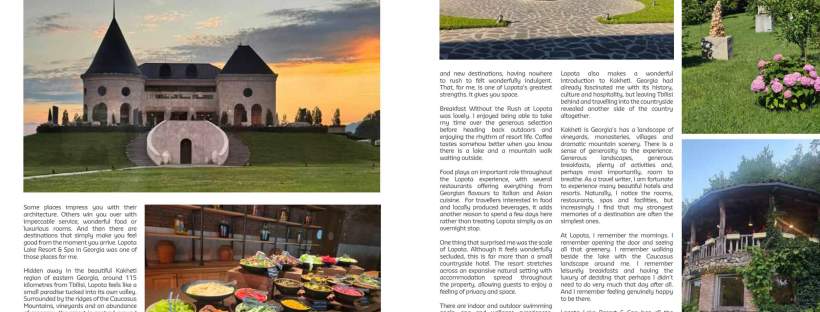
There are places that quietly stay with you long after you leave. Chinchilla de Monte-Aragón, a historic hilltop village in the province of Albacete is just that kind of place. We often explore small towns when we visit our home in Spain but this one touched our heart. Perched high above the plains of Castilla–La Mancha, this charming medieval town feels untouched by the hurried pace of modern tourism, offering instead something increasingly rare in travel today – authenticity.

Arriving in Chinchilla feels like stepping into another era. Narrow stone streets wind gently through the village, opening onto hidden squares, rustic homes, and panoramic viewpoints that stretch endlessly across the Spanish landscape. Above it all rises the magnificent Castle of Chinchilla, its imposing stone walls watching over the town like a guardian from centuries past.

The castle itself is breathtaking. Built between the 15th and 16th centuries on the remains of earlier Moorish fortifications, it carries the layered history of Spain within its walls. Standing near the fortress, with the wind moving across the hilltops and golden light washing over the old stone, there is a stillness that feels deeply cinematic.

Unlike many heavily commercialised landmarks across Europe, the atmosphere here remains wonderfully understated. The experience is less about crowds and queues and more about quietly absorbing history.Yet what truly defines Chinchilla is not only its architecture or scenery, but its people.

During our visit, after spending hours exploring the steep streets and climbing around the castle grounds, exhaustion eventually caught up with me. Our car was parked further uphill, taxis were nowhere to be found, and the climb back felt far more daunting under the afternoon sun. In many destinations, this would simply become one of those inconvenient travel moments quickly forgotten. In Chinchilla, it became something unforgettable.

The local Mercado shopkeeper, noticing our situation, did something extraordinary in its simplicity. Without hesitation, he closed his shop, offered to drive us back up the hill. There was no expectation, no transaction, no performance for tourists but simply genuine kindness. That small act captured the spirit of the village more powerfully than any guidebook ever could.

So much travel revolves around luxury resorts, curated experiences, and perfectly filtered itineraries, but Chinchilla offers a reminder that the most meaningful journeys are often shaped by human connection. The village does not try to impress loudly. Instead, it reveals itself slowly through warm conversations, old-world hospitality, and moments that feel deeply personal.

The beauty of Chinchilla also lies in its rhythm. Life moves differently here. Locals gather casually in cafés, conversations linger in quiet squares, and evenings arrive with golden sunsets spilling across ancient rooftops. It is the kind of place that encourages travellers to slow down, wander aimlessly, and appreciate the details in the weathered doors, church bells echoing through narrow streets, and the scent of Spanish coffee drifting from family-run cafés.

For travellers seeking a different side of Spain, one rooted in heritage, simplicity, and heartfelt hospitality, Chinchilla is a hidden treasure. It may not appear on every luxury travel itinerary, but perhaps that is precisely its charm.

Royal Bahrain Concours Returns for 2026

A Celebration of Automotive Elegance, Luxury Lifestyle and Global Collecting Culture

Natasha Dury

Few automotive events in the region capture the spirit of elegance, exclusivity, and collector culture quite like the Royal Bahrain Concours. Following the success of its inaugural edition, the prestigious event will return to the spectacular Royal Golf Club in November 2026, once again transforming Bahrain into a gathering point for some of the world’s rarest and most exceptional automobiles.

Held under the patronage of His Royal Highness Prince Salman bin Hamad Al Khalifa, Crown Prince and Prime Minister of the Kingdom of Bahrain, the Royal Bahrain Concours has rapidly established itself as the GCC’s premier Concours d’Elegance. More than simply an automotive showcase, the event blends collector culture, luxury hospitality, design, and lifestyle within an atmosphere of refined sophistication.

Set against the manicured landscapes of the Royal Golf Club in Riffa, the 2026 edition will expand into a richer two-day experience following overwhelming demand from collectors, partners, enthusiasts, and international guests. The concours will once again bring together an extraordinary selection of collector cars alongside leading regional car clubs, global automotive personalities, luxury brands, and curated hospitality experiences.

Organised by Thorough Events W.L.L. in partnership with the Bahrain Tourism & Exhibitions Authority (BTEA), the event reflects Bahrain’s growing prominence as a destination for premium lifestyle experiences and world-class motoring events. Under the leadership of BTEA Chief Executive Officer Sara Ahmed Buhiji, the Kingdom continues to strengthen its position as a regional hub for luxury tourism, culture, and international events.

James Brooks-Ward, Chairman of the Royal Bahrain Concours, described the response to the inaugural edition as exceptional, noting that enthusiasm from collectors and visitors across the GCC and beyond exceeded expectations. With tickets now officially live for the 2026 edition, anticipation is already building around what promises to be one of the region’s standout luxury lifestyle events of the year.

Beyond the concours lawn itself, the event celebrates the wider culture surrounding exceptional automobiles, craftsmanship, heritage, design, engineering, and the emotional connection that defines collector motoring. Combined with Bahrain’s renowned hospitality and elegant setting, the Royal Bahrain Concours offers an experience that feels both international and distinctly Gulf in character.

Sara Ahmed Buhiji, CEO of BTEA, noted that the event now forms an important part of Bahrain’s premium events calendar, contributing not only to tourism but also to the wider hospitality, retail, and entertainment sectors while reinforcing Bahrain’s reputation as a preferred destination for high-value experiential travel. The Royal Bahrain Concours is fast becoming one of the Middle East’s most desirable gatherings for collectors, enthusiasts, and lovers of automotive artistry.

Art Dubai at 20 as it Helps Shape a Cultural Capital

Natasha Dury

Dubai has spent the last two decades redefining itself as a global crossroads for commerce, design, innovation and luxury, and Art Dubai has quietly become one of its most influential cultural success stories. What began as an ambitious regional art fair has evolved into an institution that mirrors Dubai itself: international in outlook, rooted in diversity, and constantly evolving. This year, as Art Dubai prepares for a specially modified 20th anniversary edition at Madinat Jumeirah, the fair is not simply celebrating longevity. It is reaffirming Dubai’s growing confidence as one of the world’s most dynamic cultural capitals.

The special edition arrives during a moment of global uncertainty for the art market, yet its tone is notably optimistic. Presented in partnership with A.R.M. Holding, with Dubai Culture & Arts Authority serving as strategic partner, the fair places collaboration, accessibility and resilience at the centre of its vision. Free public entry, expanded institutional partnerships and a renewed focus on dialogue and shared experiences suggest an event designed less around exclusivity and more around cultural participation.

For many in the region, Art Dubai has always been more than a conventional art fair. Executive Director Benedetta Ghione describes it as “an international platform for this region’s cultural scene as it matures,” a statement that feels especially relevant in 2026. Rather than presenting art as an isolated luxury commodity, Art Dubai continues to position itself as part of a wider creative ecosystem, bringing together artists, galleries, collectors, institutions and audiences in ways few fairs globally have managed to sustain.

This year’s special edition reflects that ambition through a carefully curated programme spanning contemporary, modern and digital art practices. Around 75 presentations from galleries, institutions and partners will fill the halls of Madinat Jumeirah, with nearly 60 percent drawn from the region itself. The fair remains deeply connected to the Middle East, North Africa and South Asia while simultaneously expanding its global reach, reinforcing Dubai’s role as a meeting point between East and West.

The gallery programme is particularly significant. Alongside long-standing international exhibitors that have supported the region for decades, the fair also shines a spotlight on Dubai-based galleries that have grown in parallel with Art Dubai’s rise. New exhibitors join established names, creating a blend of emerging voices and internationally recognised institutions that reflects the city’s increasingly sophisticated cultural identity. In a notable response to current market pressures, the fair has also introduced an innovative risk-sharing model where gallery booth costs are linked to sales success, a move that underscores Art Dubai’s reputation for experimentation and adaptability.

Yet the real heartbeat of Art Dubai lies beyond the booths themselves. Increasingly, the fair’s importance is measured not only by what hangs on walls, but by the conversations and collaborations it enables. This year’s programming expands significantly through partnerships with some of the UAE’s leading cultural institutions, including Alserkal Avenue, Art Jameel, Barjeel Art Foundation, Sharjah Art Foundation and the Dubai Collection.

Among the highlights is “Made Forward,” a major presentation from Dubai Collection, the city’s first institutional collection of modern and contemporary art. Elsewhere, the 20th edition of the Global Art Forum, commissioned by Shumon Basar under the title “Before and After Everything,” promises the kind of cross-disciplinary discussions that have become synonymous with Art Dubai’s identity. Performance-led programming curated with Sharjah Art Foundation, moving-image collaborations with Alserkal Avenue, and large-scale installations integrated throughout the fair further blur the boundaries between exhibition, public engagement and cultural dialogue.

Digital art also continues to play a defining role in the fair’s evolution. Over recent years, Art Dubai has emerged as one of the few international fairs willing to seriously champion digital and immersive practices beyond trend-driven novelty. Its continued emphasis on digital culture reflects Dubai’s own future-facing mindset, positioning the city at the forefront of conversations surrounding technology, creativity and cultural production.

What makes this year especially compelling, however, is the sense of reflection underpinning the anniversary edition. There is a recognition that Art Dubai’s journey has become inseparable from Dubai’s broader cultural narrative. Over two decades, the fair has helped nurture collectors, supported regional artists, encouraged institutional growth and contributed to the city’s increasingly visible creative confidence on the global stage.

In many ways, the fair’s evolution mirrors Dubai’s own transformation. Both began as ambitious propositions often underestimated by outsiders. Both have grown through boldness, adaptability and a willingness to challenge conventional models. And both now occupy a position where global attention is no longer about potential, but influence.

The desire to create is one of the deepest yearnings of the human soul.” 

– Dieter F. Uchdorf-

A Night of Ribs, Rhythm and Indulgence at FRANK Meat & Taps

Shereen Shabnam

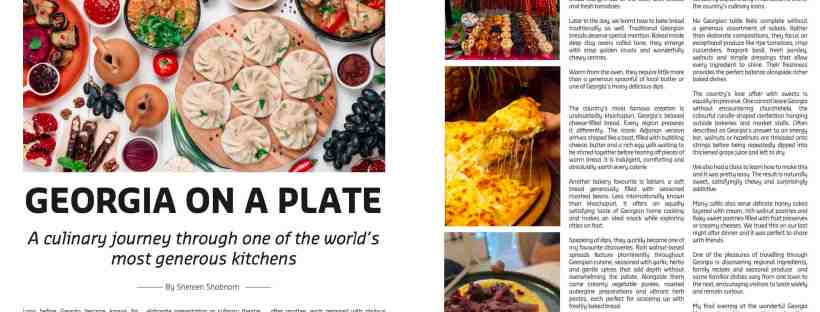
There are restaurants you visit for a quick bite and then there are places like FRANK Meat & Taps, where the energy pulls you in before the first plate even lands on the table. Tucked away on Bluewaters Island just steps from Ain Dubai, this hip-hop-infused gastropub blends bold American comfort food with an atmosphere that feels instantly electric yet warmly welcoming.

The vibe is effortlessly cool with industrial-chic interiors, upbeat music, buzzing conversations and a crowd that reflects Dubai’s multicultural spirit. Despite the lively setting, the service remains impressively attentive. The staff are friendly without being intrusive, knowledgeable about the menu, and genuinely enthusiastic about guiding you through the experience.

We began with meat cubes that were tender, flavour-packed  and set the tone for what was to come. The corn dog delivered playful nostalgia with a crisp golden coating, popcorn and a juicy centre, while the smashed burger was everything you want from comfort food: juicy, perfectly caramelised edges, layered with just the right balance of pickles and sauce. We dined with a pescatarian who told us the prawn tempura and the salmon steak was done perfectly and a must try.

Then came the ribs and they truly are the heart of FRANK. Slow-cooked, generous, and beautifully glazed, they fall apart at the touch while still holding that satisfying bite. They are indulgent without feeling overly heavy, and it’s easy to see why they’re considered the signature order. Alongside them, the beef quesadilla offered a creamy, rich contrast, being hearty, well-seasoned and ideal for sharing.

Dessert deserves its own applause. The homemade Napoleon layered with cherry jam was delicate yet comforting, the pistachio Kunafa Fondant cleverly fused Middle Eastern texture with molten decadence, and the chocolate lava cheesecake was unapologetically indulgent. t

FRANK is not just about food; it is about mood. It is where big flavours meet big beats, where friends and family linger longer than planned, and where every dish feels generous, not just in portion, but in personality.

Inanna Reborn: A Desert Awakening of Myth, Memory and Modern Luxury

Natasha Dury

Under the vast, open skies of Mleiha National Park, where ancient landscapes hold stories older than memory itself, a new chapter in luxury quietly unfolded. At dusk, as the desert shifted from gold to amber, Sheikha Bodour bint Sultan Al Qasimi introduced Inanna Reborn, not merely as a fashion label, but as an immersive expression of storytelling, ritual and identity.

This was not a conventional launch. It was a moment of transformation. One where fashion, culture and symbolism converged in a setting that felt both timeless and deeply intentional. The desert became more than a backdrop; it became part of the narrative itself, reflecting the soul of a brand rooted in memory, mythology and feminine sovereignty.

The Birth of Mythic Luxury

At the heart of Inanna Reborn lies a compelling proposition: that luxury can be more than material. It can be memory, awakening and meaning. The brand introduces what it calls Mythic Luxury, a concept where couture becomes a vessel for personal transformation and ancestral remembrance. Founded by Sheikha Bodour bint Sultan Al Qasimi after years of research into Arabian queens and mythology, the brand is deeply informed by themes explored in her recent literary work.

A Launch Rooted in Ritual and Place

Set in Mleiha, a landscape known for its archaeological and cultural significance, the launch reflected the essence of the brand with remarkable clarity. Guests were immersed in a carefully choreographed experience that included a runway presentation of the debut collection, a multisensory Chamber of Inanna installation, and an intimate showcase of selected pieces in a guest space known as The Caravan. Each element was designed to reinforce the idea of adornment as ritual rather than ornament. The result was an atmosphere that felt cinematic yet intimate, where fashion was experienced as something emotional, symbolic and deeply personal.

Fashion as Resurrection

The debut collection draws on the legacies of powerful historical women including Zenobia, Sheba, Mavia, Samsi and Abi’el, translating their strength and mystique into garments that feel both contemporary and ceremonial. There is a softness to the silhouettes, but also undeniable command. Fabrics move with grace, while structure and detail evoke a sense of quiet authority. The garments do not shout for attention; instead, they hold presence in a way that feels elegant, grounded and deeply intentional. Rather than chasing trends, the collection seems to exist outside them. It speaks to women who view clothing not simply as style, but as self-expression, armour and extension of identity.

Jewellery with Meaning

Alongside the fashion collection, Inanna Reborn also unveiled its first jewellery line: Abi’el – The Desert Oath. Rooted in Emirati heritage, the collection reinterprets traditional adornment through a contemporary lens, using silver as its central material, a historic choice long associated with Bedouin women as both adornment and portable wealth. Coin motifs, fluid forms and tactile movement give each piece the feel of a talisman rather than an accessory. These are not static objects designed merely to decorate, but meaningful pieces intended to be worn with purpose, memory and presence.

A Commitment to Craft and Conscious Luxury

What elevates Inanna Reborn even further is its clear commitment to preserving artisanal heritage. The collection incorporates techniques such as Ikat weaving, Kantha and Phulkari embroidery, Shibori dyeing, hand block printing and Pashmina craftsmanship, all living traditions sustained through meaningful collaboration with artisans. The brand also embraces a deliberately slow and intentional production model, working with natural materials such as linen, cotton and wool, while minimising waste through thoughtful design and reintegration of offcuts. The launch of Inanna Reborn offers an experience rooted in reflection, craftsmanship and emotional resonance.

Style-First Urban SUV with Substance to Match: Lynk & Co 06

Shereen Shabnam

The Lynk & Co 06 positions itself as a design-led, tech-forward compact SUV aimed squarely at urban drivers who value individuality as much as everyday usability. Experiencing it on the roads of Dubai, the 06 feels perfectly in sync as it is compact enough to navigate tight urban spaces with ease, yet distinctive enough to stand out in a sea of more conventional crossovers.

It blends Chinese engineering with a distinctly European-influenced design philosophy, something Lynk & Co has leaned into since its inception. That dual identity comes through clearly from behind the wheel, where the car balances modern styling and digital integration with a driving experience tailored for real-world city life. Our test drive began at home near Citywalk in the heart of Dubai to weaving through tight urban streets of Bur Dubai where its compact dimensions and light steering immediately proved their worth. Out on Sheikh Zayed Road, the pace picked up, and the 06 settled into a composed, confident cruise, showing a different side to its personality.

Exterior

Visually, the 06 makes an immediate statement. It adopts Lynk & Co’s now-familiar split lighting signature, with slim daytime running lights perched high on the hood and the main headlamp units set lower into the bumper. The proportions are compact, yet the design manages to project a sense of solidity and presence. Strong character lines along the sides and contrasting trim details give it a slightly sporty edge, while the overall stance feels more “urban chic” than rugged SUV.

Interior

Inside, the cabin reflects a modern, minimalist approach with a clear focus on digital integration. The layout is clean and uncluttered, anchored by a central touchscreen and a fully digital instrument cluster. There is a noticeable influence from Volvo in the ergonomics and overall layout, which lends the interior a sense of familiarity and usability. Material quality is respectable for the segment, with soft-touch surfaces in key areas and more durable plastics lower down. The seats are supportive and styled with a slightly sporty flair, reinforcing the car’s youthful positioning. Space in the front is comfortable, while the rear seats are adequate for daily commuting.

Technology

Technology is where the 06 punches above its weight. The infotainment system is modern and responsive, offering smartphone connectivity, a clear user interface, and a suite of convenience features that would have been considered premium just a few years ago. Higher trims add a 360-degree camera system and a comprehensive set of driver assistance features, including adaptive cruise control and lane-keeping support.

The overall experience is very much screen-centric, with most functions routed through the touchscreen.

Performance

Under the hood, the Lynk & Co 06 is powered by a 1.5-liter turbocharged engine producing around 181 horsepower and 290 Nm of torque, paired with a 7-speed dual-clutch transmission. On paper, the numbers are solid for the segment, and on the road, they translate into brisk, confident performance. Acceleration is more than adequate for urban and highway driving, with enough punch for overtaking when needed. The transmission shifts smoothly under normal driving conditions, though it can feel slightly hesitant at low speeds, a common trait among dual-clutch setups. The ride quality leans toward comfort, absorbing road imperfections well, while the steering is light and easy, making the car particularly well-suited to city environments.

Our Verdict

First impressions are clear that Lynk & Co 06 comes with a distinct sense of style and a strong focus on technology, positioning itself as a fresh alternative for drivers who want something that reflects the energy and individuality of discerning drivers. The Lynk & Co 06 stands out visually and offers strong value for money and filled with safe, predictable options which ultimately, is its biggest strength.